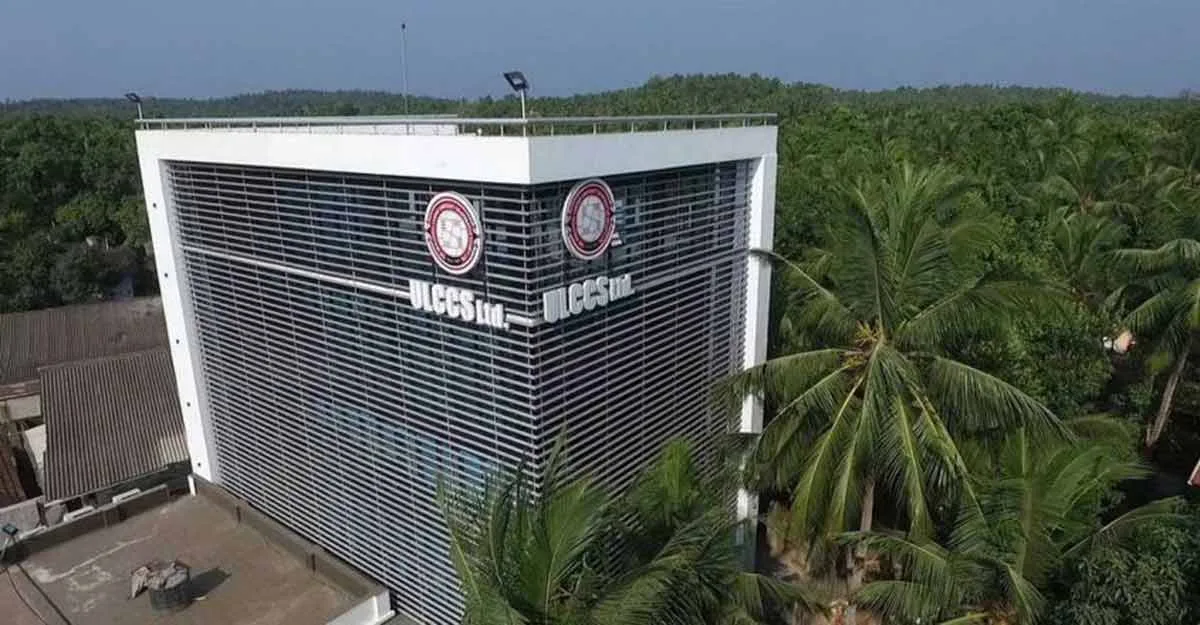
KOCHI: Few organisations in Kerala evoke as much political debate as Uralungal Labour Contract Cooperative Society Ltd (ULCCS).
Now, the state's largest labour cooperative has thrown up another talking point—this time from its balance sheet. An authenticated financial report shows that the government-backed infrastructure contractor generated revenue of Rs1992.35 crore in FY25 but ended the year with a net profit of just Rs3.66 crore.
The surplus translates into a net profit margin of barely 0.18 per cent, an unusually thin return for an organisation executing thousands of crores of rupees worth of public infrastructure projects across the state.
The cooperative improved its operating performance during the year, with its operating margin (EBITDA margin) rising to 22.52 per cent in FY25 from 20.37 per cent in the previous year, even as revenue remained largely stable compared with Rs2011.42 crore a year earlier.
The report also projects a significant improvement in business activity during FY26. Revenue for the first nine months stood at around Rs1,658 crore, while full-year revenue is expected to touch Rs2,500-2600 crore.
The cooperative's unexecuted order book stood at Rs5,235 crore, providing visibility for more than two years of execution at the current pace.
Large debt
Despite the healthy order pipeline, the balance sheet reflects heavy funding requirements. The report places ULCCS's debt-to-net-worth ratio at 6.38 times and its gross current assets at 740 days, indicating substantial funds remain tied up in receivables, work-in-progress, contract assets, inventories and other current assets while executing large infrastructure projects.
The report attributes ULCCS's business strength to its majority ownership by the Government of Kerala, its long operating track record and the policy support available to the cooperative in government procurement. The society also benefits from access to deposits from cooperative institutions, although the report notes that debt protection metrics remain weak because of high leverage and working-capital intensity.
The FY25 financials present an interesting contrast. While the cooperative enjoys a strong order book, improved operating profitability and significant government support, its net earnings remain exceptionally small.
The figures suggest that factors beyond operating performance—including the capital-intensive nature of infrastructure contracting, high working-capital requirements and the economics of the cooperative model—continue to weigh on the bottom line.