KOCHI: "When can Kannur Airport shareholders expect a dividend?"
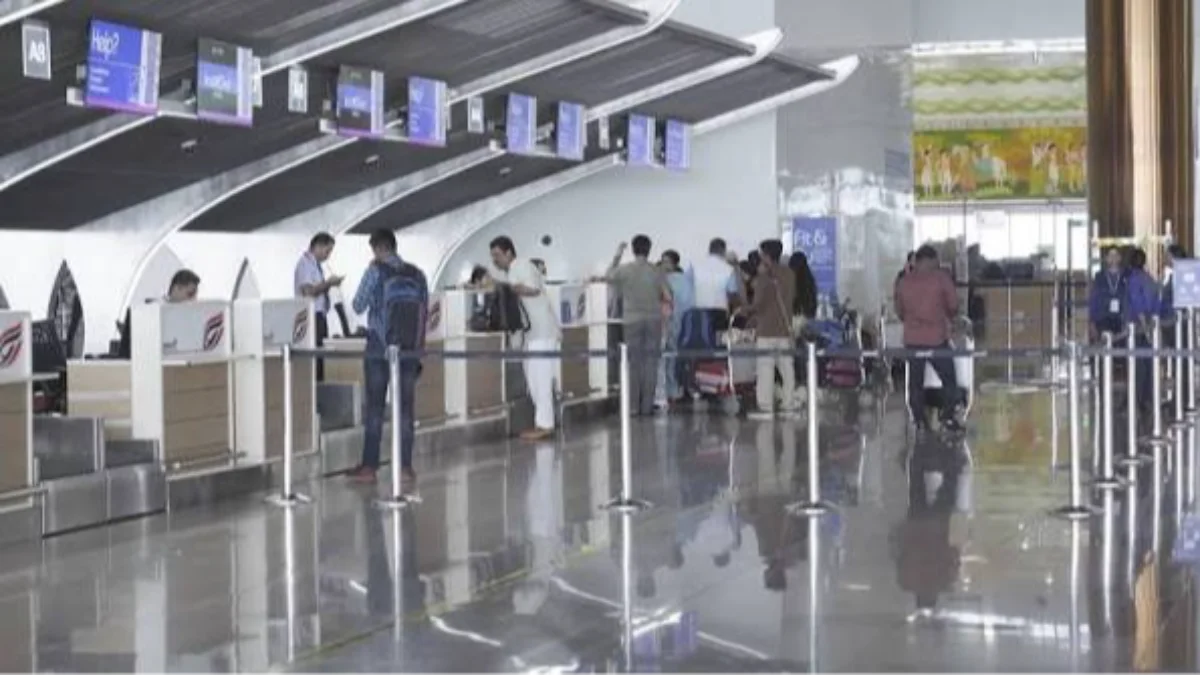
The question, raised at Kannur International Airport Ltd's (KIAL) annual general meeting, neatly sums up the airport's next challenge. Nearly seven years after commencing commercial operations in December 2018, the question is no longer about building the airport or refinancing its debt. It is about whether KIAL can generate enough revenue and cash flows to eventually reward the investors who backed the project.
There are reasons for optimism. Passenger traffic rose to about 13.6 lakh in FY25, driven mainly by international travellers, while revenue increased to around Rs195 crore.
Rs1,100cr refinanced
Management expects revenue to rise further to around Rs250 crore in FY26. During the year, KIAL also refinanced more than Rs1,100 crore of borrowings through REC, extending the repayment period to 20 years and easing annual debt-servicing pressure.
Yet the harder part begins now.
Unlike many businesses, airports have high fixed costs. Once the infrastructure is built, profitability depends largely on how effectively the airport utilises its assets by attracting more passengers, airlines and commercial activity. In KIAL's case, the challenge is amplified by geography.
Within a radius of about 250 kilometres, Kannur competes with Kozhikode, Mangaluru and Coimbatore airports. More significantly, Cochin International Airport accounts for the bulk of Kerala's passenger traffic, leaving the remaining market to be shared by the state's other airports.
Point of Call
That makes KIAL's pursuit of Point of Call status more than just an aviation policy issue. It is potentially a commercial milestone. The entry of more foreign carriers could increase passenger traffic, improve utilisation of existing infrastructure and strengthen both aeronautical and non-aeronautical revenues without requiring proportionate capital investment.
The refinancing of debt suggests that KIAL has largely addressed one challenge—its funding structure.
Challenges
The next challenge is more fundamental: generating sufficient returns from the airport's assets.
Whether shareholders eventually receive a dividend will depend less on financing and more on sustained traffic growth, higher commercial revenues and the airport's ability to convert its infrastructure into profitable operations.
The shareholder's question therefore remains unanswered. But after seven years of operations, KIAL's future may depend not on how much it has invested, but on how quickly it can transform growing passenger numbers into sustainable profits.