MUMBAI: The Reserve Bank of India (RBI) raised the policy repo rate by 25 basis points to 5.50 per cent on Wednesday, its first rate increase since February 2023, while shifting its monetary policy stance from neutral to “calibrated tightening” as inflationary pressures widen.
The six-member Monetary Policy Committee (MPC) voted unanimously for the rate hike. Two members, however, wanted the stance to remain neutral.
The change in stance is significant. The RBI said rate cuts are off the table in the near term, and that future policy action could be either another rate hike or a pause, depending on the evolution of inflation and growth. The duration and extent of any rate-hike cycle would depend particularly on underlying inflation, the broadening of price pressures and second-round effects of supply shocks.
At the same time, the RBI raised its FY27 growth forecast sharply to 7.1 per cent from 6.7 per cent, suggesting that it sees sufficient strength in the economy to absorb higher interest rates. It raised its inflation forecast to 5.2 per cent from 5 per cent.
The inflation outlook, however, has changed materially. The RBI expects CPI inflation at 4.9 per cent in Q2 FY27, 6 per cent in Q3 and 5.7 per cent in Q4, with inflation remaining elevated at 5.6 per cent in Q1 FY28. It said inflation had broadened beyond food and fuel, with core inflation also picking up.
The central bank attributed the deterioration in the inflation outlook partly to the re-escalation of the West Asia conflict, higher and volatile crude prices, deficient monsoon conditions and El Niño risks. It also flagged global monetary tightening, higher bond yields and an appreciating dollar as risks to financial conditions.
Liquidity: RBI sees temporary glut
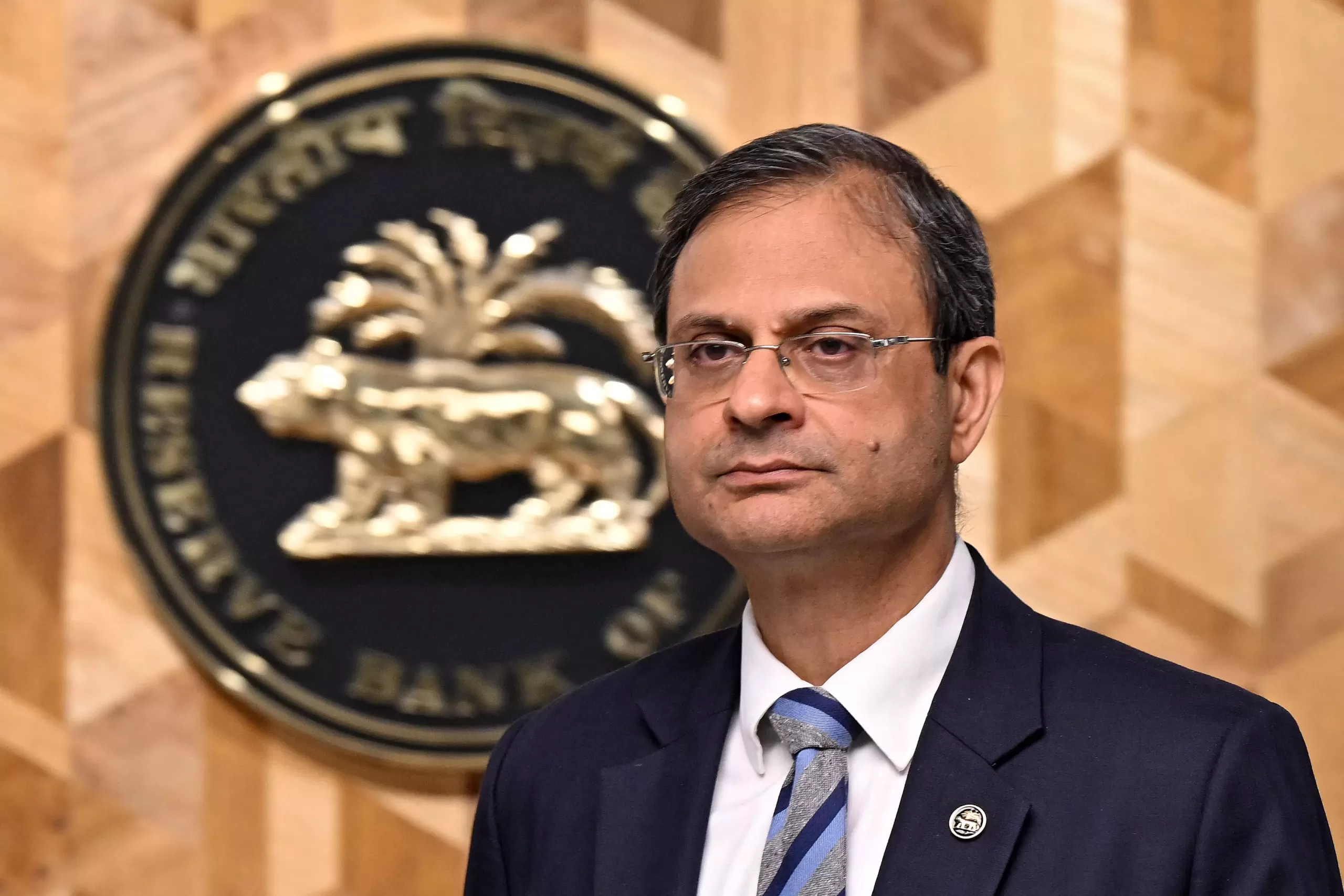
An important message for banks was on liquidity. RBI Governor Sanjay Malhotra said the banking system is currently carrying a substantial liquidity surplus, averaging about Rs7.3 lakh crore, or 2.7 per cent of deposits, since early September.
But the RBI does not view this as a permanent surplus. Malhotra said much of it had resulted from about $144 billion of inflows through one-off measures and that liquidity would naturally decline towards the end of the financial year.
The RBI would use measures including open-market operations, foreign-exchange operations and variable-rate reverse repos (VRRR)rather than relying primarily on a CRR increase.
This could be particularly relevant for banks that have attracted large FCNR(B) deposits.
Malhotra said banks are already using the FCNR(B) funds, as reflected in strong credit growth, but cautioned that the size of the inflows means banks should not deploy the money overnight.
“They need to do the due diligence properly and take time to use these products,” he said.
That suggests the RBI is comfortable with banks gradually converting the temporary liquidity into productive credit rather than pushing banks to deploy it aggressively.
"Rupee may be undervalued"
On the rupee, Malhotra took a different view from the immediate market reaction to the currency's weakness, saying the rupee “may be undervalued” and that short-term market movements can be irrational.
He also said external headwinds had affected capital flows but described the pressure on the current account as temporary and expressed confidence that India's balance of payments would move into surplus soon.
Two regulatory changes
The RBI also announced two measures that could have longer-term implications for digital financial services.
It will make NBFC Account Aggregators interoperable, allowing customers to access and share financial information through any account aggregator rather than being restricted by the existing fragmented system.
It will also facilitate Sebi-regulated depositories in including bank deposit information in consolidated account statements, allowing investors to see their demat holdings and bank deposits together.
Both measures are targeted for implementation by December 31, 2026.
The RBI also plans to constitute a Technical Consultative Committee for Financial Markets, covering money, government securities and foreign-exchange markets and their derivatives.