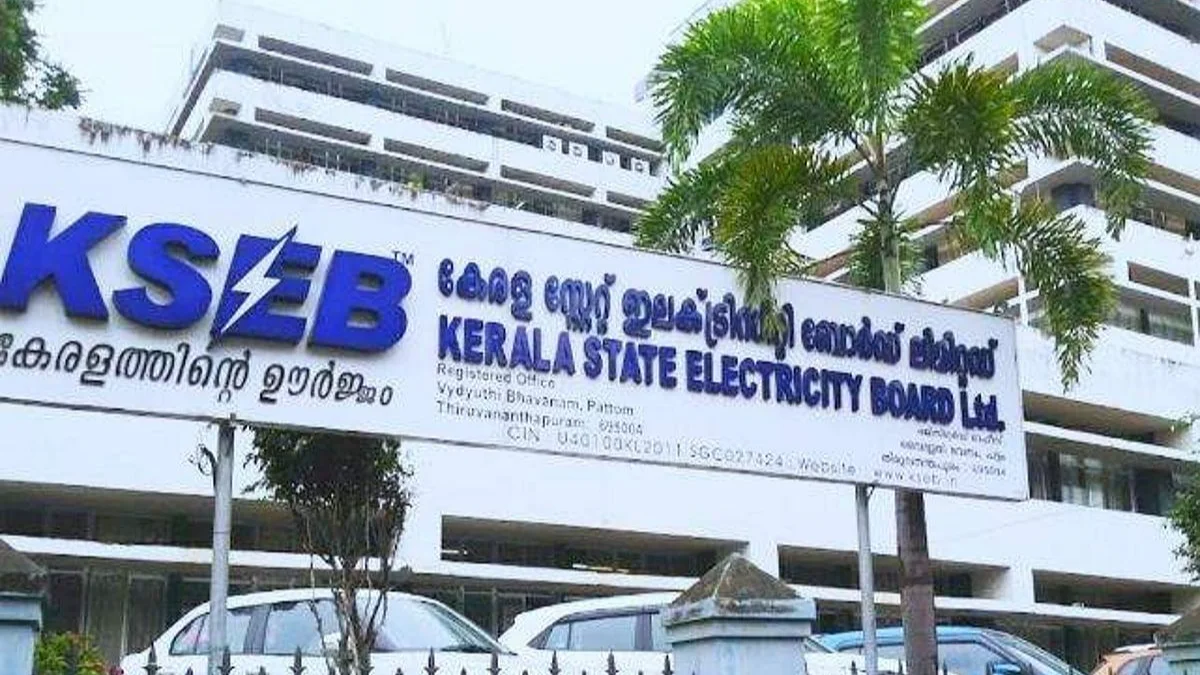
KOCHI: Kerala's long-running controversy over the 465 MW, 25-year power purchase agreements (PPAs) has largely been viewed through a political prism, with rival fronts accusing each other of either cancelling a cheaper power deal or inheriting a flawed procurement process.
However, an examination of orders issued by the Kerala State Electricity Regulatory Commission (KSERC), the Union Ministry of Power and subsequent judicial proceedings reveals a more nuanced chronology.
The core legal dispute before the regulator was not the tariff but whether KSEB had complied with the statutory procurement framework. Nor were the disputed power purchase agreements (PPAs) abruptly terminated after the change of government in 2016.
Instead, the contracts continued supplying electricity to Kerala for several years under provisional regulatory arrangements before ultimately failing because procedural deviations from the statutory bidding framework were never regularised.
Genesis
The controversy originated in 2014 when Kerala State Electricity Board (KSEB) initiated two competitive bidding processes under Section 63 of the Electricity Act to procure long-term power.
Taken together, the procurement covered 865 MW through multiple generating companies.
When the proposals reached KSERC, the Commission did not reject the entire procurement. Instead, it distinguished between contracts that complied with the prescribed bidding framework and those where KSEB had departed from the Standard Bidding Documents (SBDs) issued by the Union Ministry of Power.
KSERC granted final approval to part of the procurement, including 200 MW from Jindal Power Ltd under the first tender and 100 MW from BALCO under the second. The remaining 465 MW—comprising contracts awarded to Jhabua Power and other bidders—was kept pending because KSEB had executed those agreements despite procedural deviations that required prior approval under the central bidding framework.
Rather than rejecting the disputed PPAs immediately, KSERC kept their approval pending while examining whether the procedural deviations could be regularised. Even though final approval had not been granted, KSEB continued procuring power from those projects because the state required the electricity. The generators, in turn, continued supplying power under interim regulatory arrangements.
This did not mean that KSERC had approved the PPAs; they remained operational only on a provisional basis while the regulatory process continued.
Section 63 of Electricity Act
The regulator's concern was never principally about tariff. Instead, it centred on whether KSEB had complied with the mandatory procurement procedure prescribed under Section 63 of the Electricity Act. Among the issues flagged were deviations from the Standard Bidding Documents, execution of PPAs before obtaining mandatory approvals and procurement decisions that differed from the framework approved by the Central Government.
Instead of taking a final decision immediately, KSERC decided to await the Union Ministry of Power's view on whether those deviations could be regularised.
The turning point came when the Union Ministry informed KSEB that deviations from the Standard Bidding Documents required prior approval and could not be regularised retrospectively after execution of the agreements. That effectively closed the legal route through which the disputed PPAs could obtain final approval.
Recognising Kerala's continuing power requirements, KSERC nevertheless allowed KSEB to keep scheduling electricity from the disputed PPAs through a series of interim orders while the regulatory issues remained unresolved. Those interim arrangements continued for several years.
The regulatory process reached its conclusion when KSERC finally declined approval for the disputed 465 MW PPAs, holding that the procedural deviations had never been cured.
Appellate Tribunal
The affected power producers challenged KSERC's decision before the Appellate Tribunal for Electricity (APTEL), seeking approval of the long-term contracts on which their future revenues depended. KSEB, which had originally entered into the PPAs and continued procuring power under them, also sought to secure their approval during the prolonged regulatory process.
KSEB later challenged KSERC's May 2023 order before APTEL. Before the appeal could be decided, however, the State Government issued a policy direction under Section 108 of the Electricity Act asking KSERC to reconsider the matter.
KSEB then withdrew its appeal and sought a review before KSERC. The Commission subsequently recalled its earlier order and restored approval to the disputed PPAs.
That review order was later set aside by APTEL, which held that KSERC lacked jurisdiction to review its earlier decision on the basis of the State Government's Section 108 direction. The matter eventually reached the Supreme Court, which upheld APTEL's interpretation of the scope of Section 108.
The chronology presents a more complex picture than the political debate often suggests.
The procurement decisions that later became contentious originated during the UDF government's tenure.
After the change of government in 2016, however, KSEB continued defending the disputed PPAs before KSERC, APTEL and the Supreme Court in an effort to secure their approval rather than abandoning them.
The official record suggests the controversy cannot be reduced to the claim that the 465 MW PPAs were simply cancelled after the change in government.
Equally, the contracts did not survive judicial scrutiny. Instead, they remained operational for years under provisional regulatory arrangements before ultimately failing because the procedural deviations underlying the procurement were never regularised under the statutory framework.